
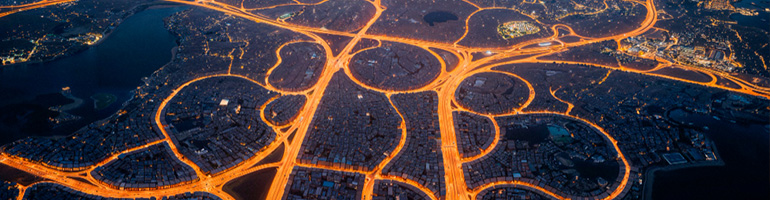
Reinvent Design Technologies offers specialized expertise in Urban Heat Island (UHI) Analysis as part of Environment Clearance (EC) additional simulation studies. With rapid urbanization and increasing hardscape surfaces, UHI has become a critical global environmental challenge affecting microclimate, public health, and energy consumption.
For EC compliance, UHI Analysis supports SEAC committee review by demonstrating mitigation strategies such as cool roofs, high SRI materials, shaded landscapes, permeable paving, and increased vegetation. The study includes thermal mapping, comparative temperature analysis, and heat mitigation recommendations structured for environmental approval documentation.
Specific Services

Microclimate Impact Assessment study
Evaluates project-level temperature changes and impact on surrounding areas. Provides mitigation strategies aligned with SEAC environmental review requirements.
Get a Quote
UTCI Analysis
In Urban Heat Island (UHI) and Environmental Clearance studies, UTCI is used to evaluate pedestrian-level thermal comfort. It helps quantify heat stress conditions in open spaces, pathways, and public areas surrounding the project site.
Get a Quote
Cool Roof & Cool Pavement Simulation
Simulation of temperature reduction through reflective coatings and permeable materials. Supports EC compliance and sustainable design commitments.
Get a QuoteKey Benefits of the Service
Urban Heat Island (UHI) Analysis helps reduce surface temperature rise and improve outdoor thermal comfort by identifying heat-absorbing zones within the project site. Proper material selection plays a crucial role—using high Solar Reflectance Index (SRI) materials, cool roofs, reflective pavements, and permeable surfaces helps reflect solar radiation instead of absorbing it. These strategies slow down the Urban Heat Island Effect (UHIE), reduce surrounding ambient temperature, lower cooling energy demand, and strengthen environmental performance during EC and SEAC review processes.

Why is Urban Heat Island Effect becoming a major global climate concern?
Rapid urbanization, concrete surfaces, and loss of vegetation are increasing city temperatures worldwide, intensifying climate change impacts.
How does UHIE contribute to global energy consumption?
Higher urban temperatures increase air-conditioning demand, leading to greater energy use and carbon emissions.
Can material selection really influence global warming trends?
Yes, reflective and low-heat-absorbing materials can significantly reduce urban heat buildup and lower overall city temperatures.
How does UHIE affect public health globally?
Increased heat stress raises risks of heatstroke, dehydration, and cardiovascular issues, especially in dense urban areas.Increased heat stress raises risks of heatstroke, dehydration, and cardiovascular issues, especially in dense urban areas.
Get a Quote
-

Aniket Chaudhari
-

Ankita Galande