Awesome Image

How Building Performance Simulation Helps Architects and Consultants Reduce Energy Costs

Building Performance Simulation for Energy-Efficient Design

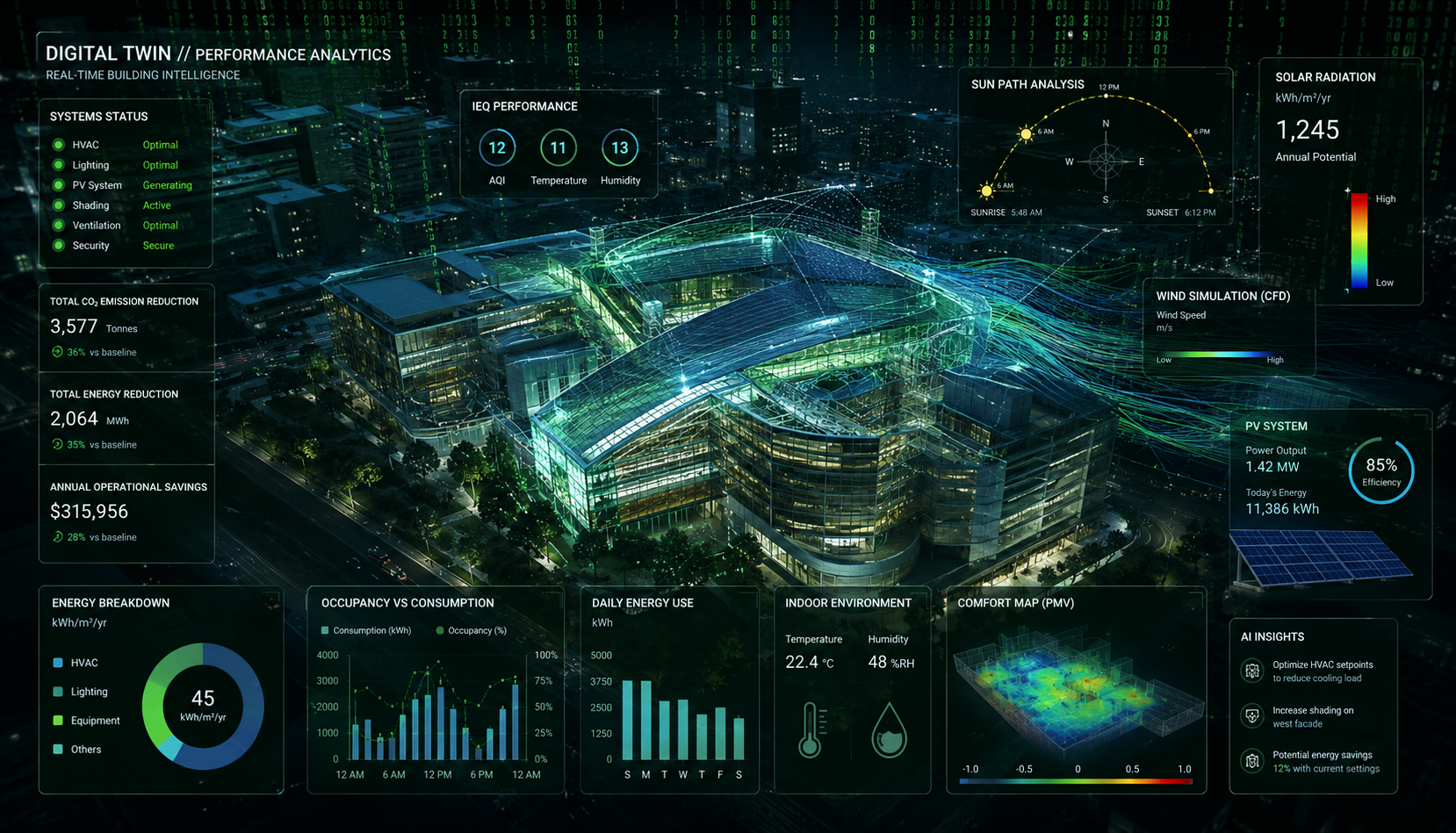
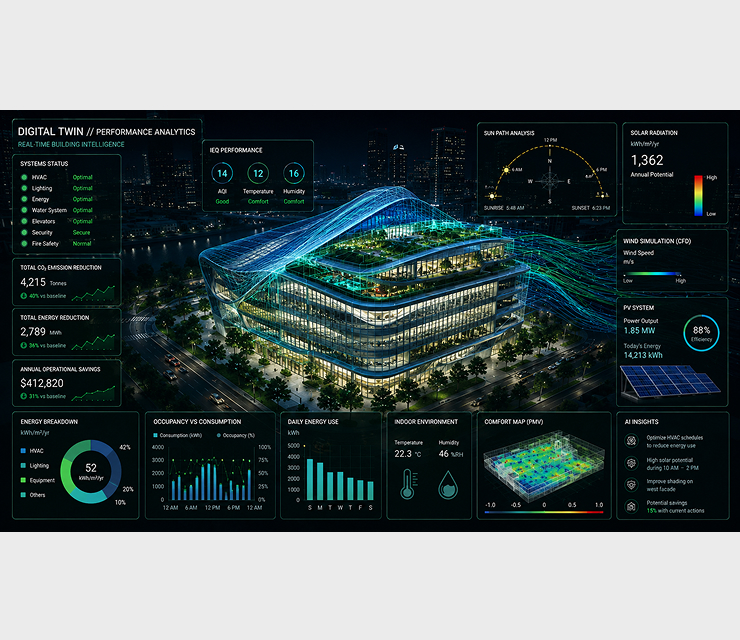
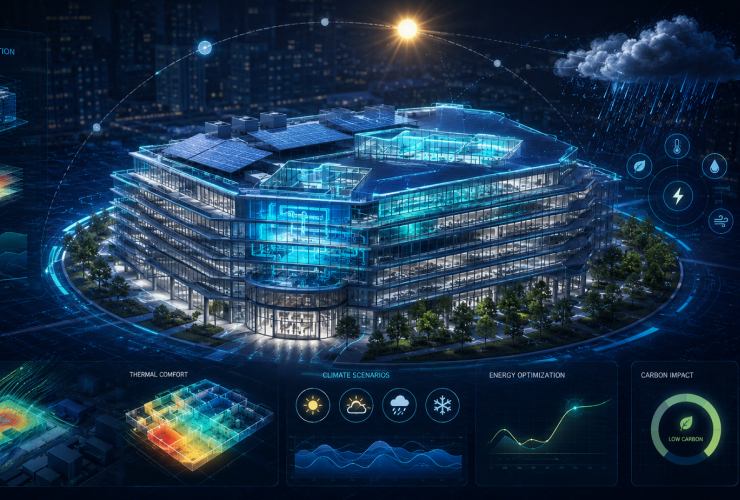
Building performance simulation helps architects and consultants reduce energy costs by testing design decisions before construction begins. It allows project teams to evaluate how building orientation, façade design, glazing, shading, HVAC systems, and daylighting will affect energy use, comfort, and long-term operating cost.

For architects, this means better design decisions from the earliest concept stage. For consultants, it means stronger technical recommendations backed by data. For clients, it means lower utility bills, improved building efficiency, and better return on investment.

Why Energy Costs Start at the Design Stage

The cost of operating a building is heavily influenced by choices made during design. A poorly oriented building, excessive glazing, weak shading strategy, or inefficient HVAC layout can lead to higher cooling loads and increased electricity consumption throughout the building’s life cycle.

Building energy modelling helps identify these risks early. Instead of waiting until a project is complete, architects and consultants can compare options and choose the most efficient strategy from the start. This reduces the chance of expensive redesigns and supports smarter project planning.

Awesome Image

What Building Performance Simulation Does

Building performance simulation is a digital method of predicting how a building will behave under real conditions. It analyses energy use, thermal comfort, daylight performance, ventilation, solar gains, peak loads, and carbon impact.

    This makes simulation especially useful for:

  • Building energy analysis.
  • HVAC system optimization.
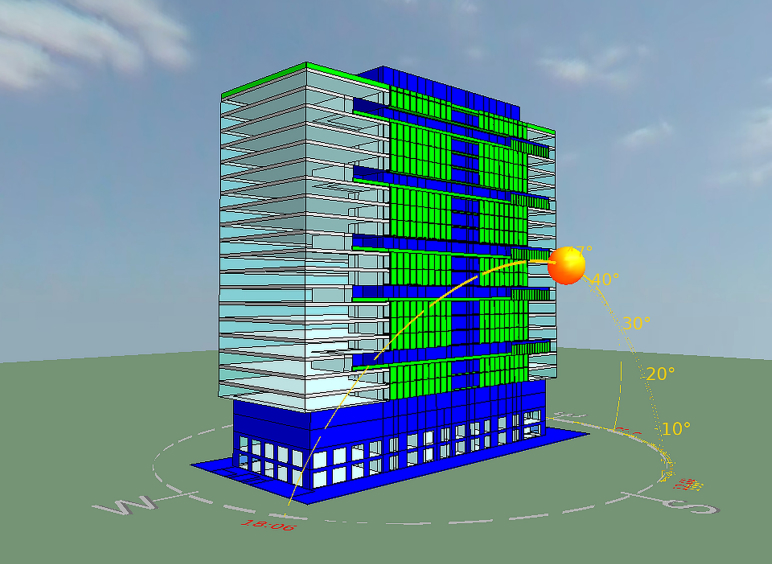
  • Daylighting and shading studies.
  • Thermal comfort assessment.
  • Carbon and sustainability reporting.
  • Green building certification support.

With advanced software such as IESVE, consultants can model complex design scenarios and generate performance insights that support better decision-making.

How Architects Benefit from Simulation

Architects benefit from building performance simulation because it helps them test design ideas before they are fixed. Early-stage decisions about building massing, orientation, window size, façade materials, and external shading can significantly influence total energy demand.

Simulation also helps architects justify design strategies with performance data. This is valuable when working on sustainable architecture, green buildings, or projects that must meet energy targets. It strengthens communication with clients and project teams by turning design intent into measurable outcomes.

How Consultants Use Simulation to Reduce Costs

MEP consultants, energy consultants, and sustainability professionals use building performance simulation to compare systems and recommend the most efficient solutions. Simulation helps them determine HVAC loads, assess mechanical system performance, and identify where energy savings can be achieved without compromising comfort.

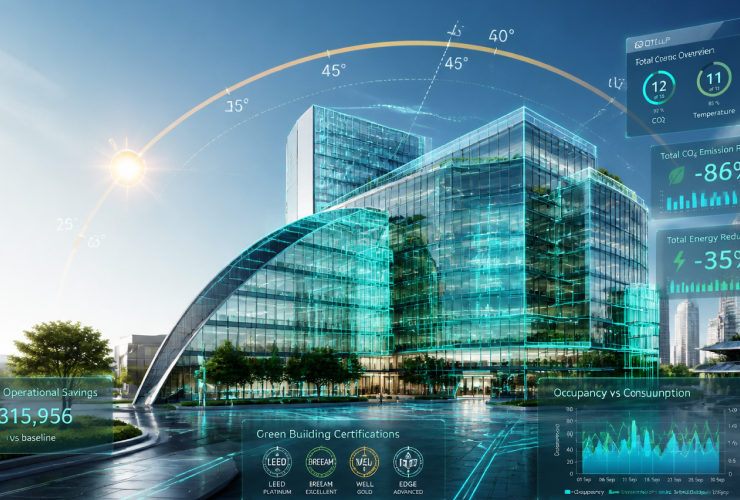
For green building consultants, simulation is also essential for certification work. It supports energy compliance, performance documentation, and design validation for LEED, IGBC, GRIHA, and other sustainability frameworks. This makes it a critical tool for firms working in the energy efficiency and carbon market.

Key Areas Where Savings Happen

The strongest energy savings usually come from improving the building envelope and reducing demand before adding system efficiency. Simulation helps identify these opportunities clearly.

    Typical savings areas include:

  • Better building orientation.
  • Lower solar heat gain through façade optimization.
  • Improved shading design.
  • Reduced cooling demand.
  • Optimized HVAC sizing.
  • Better daylight use and reduced lighting energy.
  • Lower operational carbon over the building lifecycle.

These improvements can lead to substantial savings in both energy consumption and operating cost, especially in warm climates and high-load commercial buildings.

Why IESVE Is a Powerful Tool

IESVE is one of the most widely used building performance simulation platforms for energy modeling, thermal analysis, daylighting, and low-carbon design. It enables architects and consultants to evaluate multiple design scenarios and understand how different strategies affect performance.

For firms focused on sustainability consulting, green building certification, or energy efficiency, IESVE provides a strong technical foundation. When combined with the right training and implementation support, it becomes a practical tool for project delivery, not just analysis.

Why RDT LLP Is the Right Partner

RDT LLP is an authorized software reseller and authorized training partner for IESVE software in India, Sri Lanka, and the Middle East. For over 8 years, we have supported architects, MEP consultants, sustainability firms, and green building professionals in using simulation to improve project outcomes.

    Our support includes:

  • IESVE software licensing.
  • Authorized training programs.
  • Project-based simulation support.
  • Energy modeling guidance.
  • Sustainability consulting workflow support.

We help teams move beyond software access and build real capability in performance-based design.

FAQ

What is building performance simulation?

Building performance simulation is the process of using digital models to predict how a building will perform in terms of energy, comfort, daylight, ventilation, and carbon impact.

How does building energy modeling reduce costs?

It helps teams identify design choices that lower cooling loads, reduce HVAC demand, improve daylight use, and optimize building systems before construction begins.

Is IESVE suitable for architects and consultants?

Yes. IESVE is widely used by architects, MEP consultants, energy modelers, and sustainability professionals for performance analysis and design optimization.

Can simulation support LEED, IGBC, and GRIHA projects?

Yes. Simulation is commonly used to support compliance, energy documentation, and performance-driven certification workflows. If you are an architect, consultant, or sustainability professional looking to improve project performance, RDT LLP can help you use simulation more effectively.

Contact RDT LLP today to explore IESVE software, training, or project support for your team.

Awesome Image

Aniket Chaudhary

Get a Quote